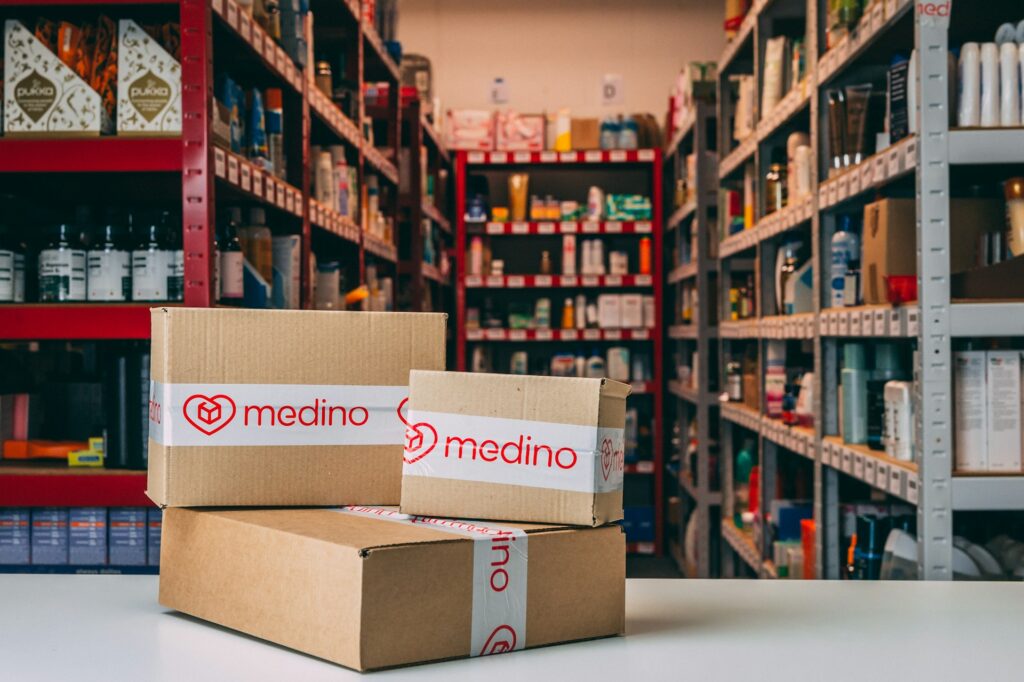
Direct store delivery looks simple from the outside. A driver loads the truck, follows a route, drops off products, collects signatures, and moves on. The process feels physical, straightforward, almost mechanical.
In reality, most of the complexity sits just beneath that surface.
Routes change. Orders are not always accurate. Stores run out of stock earlier than expected. Invoices need to match what was actually delivered, not what was planned. Payments do not always happen the way they should.
For small distributors, all of this happens without much room for delay. There is no large operations team in the background. The same people often handle loading, driving, selling, and reporting. When something breaks in the process, it shows up immediately.
That is where DSD software starts to matter.
Where DSD Becomes Hard to Manage
The difficulty is not in any single step. It is in how those steps connect. An order is created before the route begins. By the time the driver reaches the store, the situation may already be different. Quantities change. Additional items are requested. Something is out of stock.
If the system does not adapt to those changes, the driver ends up working around it. Notes are taken manually. Adjustments are remembered instead of recorded. Invoices are corrected later. What should be a single flow becomes a series of patches.
At a small scale, this is manageable. As volume increases, the gaps start to show.
What Small Distributors Actually Need From DSD Software
For smaller teams, the priority is not feature depth. It is whether the system keeps up with what is happening on the route.
Drivers need to see what they are supposed to deliver, but also adjust it without friction. Orders, deliveries, and invoices should reflect the same reality. Not three slightly different versions of it.
At the same time, everything needs to remain usable on the move. Connectivity is not always reliable. Time at each stop is limited. The system cannot slow the driver down.
The tools below approach this from different angles, depending on how much of the workflow they cover.
1. SimplyDepo
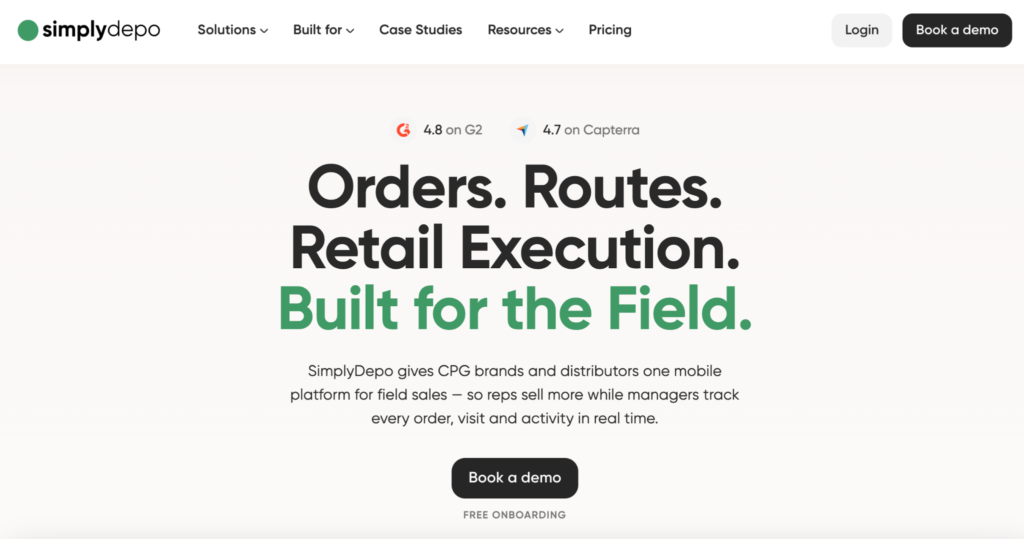
SimplyDepo connects DSD workflows with what happens before and after the route.
Instead of treating delivery as a separate step, it links orders, routes, and invoicing into one process. This makes it easier to keep everything aligned as conditions change.
The platform includes:
- Order capture and adjustment during visits
- Route planning and delivery tracking
- Van sales and invoicing
- Proof of delivery and photo capture
- Offline operation with later sync
What becomes noticeable is how quickly changes can be reflected.
If a store requests something extra, the order can be updated on the spot. The invoice matches what was actually delivered. There is less need to reconcile differences later.
For small distributors, this reduces the amount of manual correction that usually happens after the route is completed.
2. Orders in Seconds (OIS)
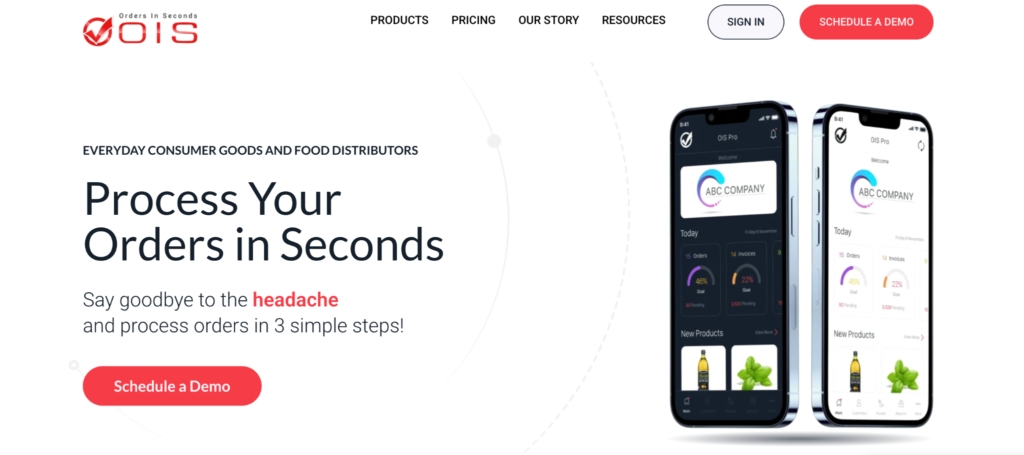
Orders in Seconds is built specifically around order entry and DSD workflows.
It focuses on making the process of capturing and fulfilling orders as direct as possible. The system is designed for teams that handle a steady flow of transactions.
It includes:
- Mobile order entry for drivers and reps
- Integration with accounting systems
- Delivery tracking
- Customer account management
This keeps the core process simple.
Orders move from entry to fulfillment without too many steps in between. For distributors that prioritize speed and consistency, this approach tends to work well.
Retail execution and broader merchandising are not part of the core system, which keeps it focused but also narrower in scope.
3. Pepperi
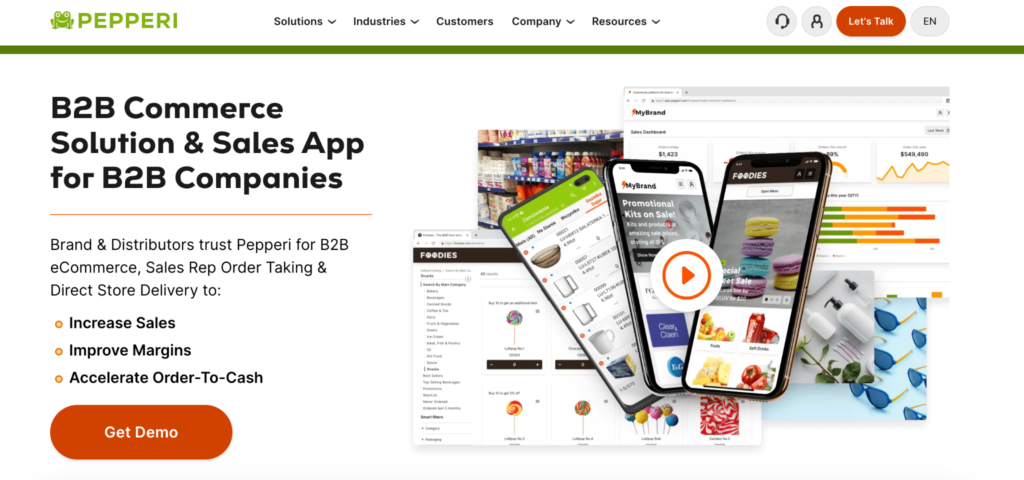
Pepperi covers DSD as part of a larger operational structure.
It combines ordering, distribution, and customer management into one system. This allows distributors to manage multiple layers of the business in the same environment.
The platform includes:
- Order management and pricing control
- Route accounting and delivery workflows
- Customer-specific configurations
- Integration with backend systems
This creates a consistent framework across operations.
For smaller distributors, the challenge is often the level of structure required. The system is built for scale, which can make it heavier to set up and maintain.
4. Skynamo

Skynamo approaches DSD from the sales side.
It helps reps and drivers manage customer relationships and capture orders in the field. While it is not a full DSD system, it supports part of the workflow.
Its functionality includes:
- Mobile order capture
- Customer and account management
- Offline access to data
- Route planning
This makes it easier to handle interactions at each stop.
Delivery workflows are less detailed, which means it often works alongside other systems rather than replacing them completely.
5. Zoey
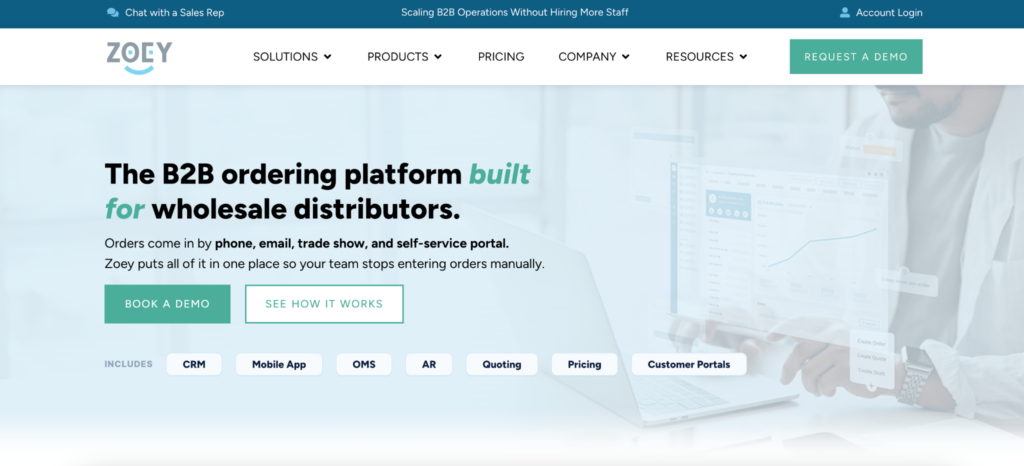
Zoey reduces the need for some DSD tasks by shifting ordering online.
Instead of relying entirely on drivers or reps, customers can place orders through a portal. This changes how orders enter the system.
The platform includes:
- B2B ordering portals
- Customer self-service functionality
- Product catalogs and pricing
- Integration with backend systems
This can reduce manual work.
At the same time, it does not address the delivery side directly. Routes, drops, and invoicing still need to be handled elsewhere.
6. B2B Wave
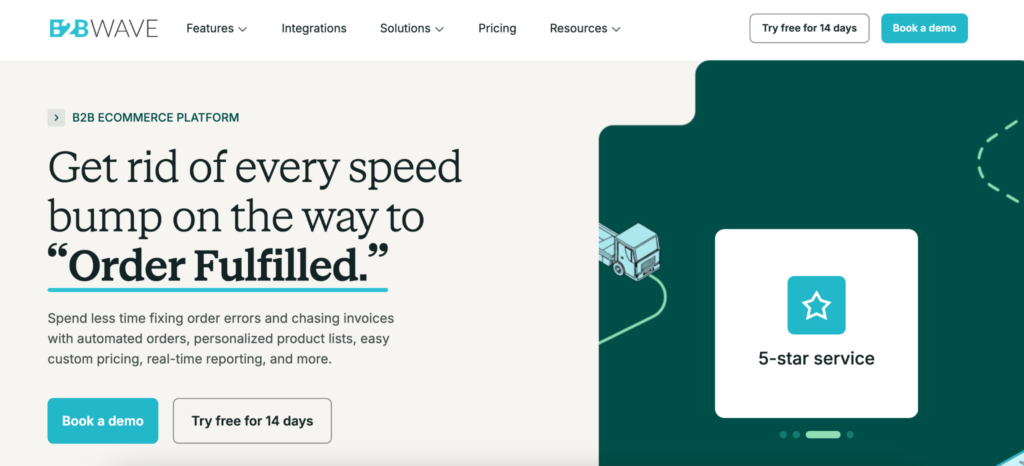
B2B Wave follows a similar approach by focusing on digital ordering.
It allows customers to manage their own orders, which can simplify part of the distribution process.
It includes:
- Online ordering portals
- Customer account management
- Product catalogs
- Integration with internal systems
This can help reduce pressure on the field team.
Like other ordering platforms, it does not cover the physical delivery process, which means it is only one part of the overall workflow.
What Happens on a Route Without the Right System
The difference between tools is easiest to see during a full day on the road. A driver starts with a planned route and a set of orders. As the day goes on, changes come up. A store needs more product. Another reduces the order. Something is missing from the truck.
In one setup, these changes are handled informally. Notes are taken. Adjustments are remembered. The system is updated later.
In another, the system reflects those changes as they happen. Orders, deliveries, and invoices stay aligned.
The work itself is the same. The amount of correction required later is not.
Why Small Inefficiencies Matter More in DSD
In DSD, small inefficiencies tend to compound quickly. An incorrect order leads to a return visit. A missing update creates confusion in accounting. A delay at one stop affects the rest of the route.
Each issue is manageable on its own. Together, they affect how predictable the operation feels. For small distributors, this matters more because there is less buffer. Fewer people, tighter schedules, less room for error.
This is where the system either supports the process or adds to the workload.
Choosing a System That Fits the Operation
There is no single definition of the best DSD software. Some distributors need a simple system for capturing and delivering orders. Others need something that connects multiple parts of the business.
The choice usually comes down to how much of the workflow needs to be handled in one place. If orders, routes, and invoicing are managed separately, the system needs to keep them aligned. If they are combined, the system needs to stay flexible as conditions change.
For small distributors, the difference often comes down to how much work needs to be done after the route is finished.
That is where the impact of the system becomes clear.